A Mother's Day Embroidery Design Review for Real Projects
When you download an embroidery design for a client project or your own shop, you’re looking for more than just a pretty file. You’re looking for a design that translates from screen to stitch with grace, that resonates with your customer, and that holds up in the real world of wear and wash. I’ve spent the morning examining Mother Day Mom SVG Sublimation from this exact, practical perspective, imagining it embroidered onto everything from a tote bag to a baby blanket.
First Impression: Warm, Classic, and Ready to Stitch
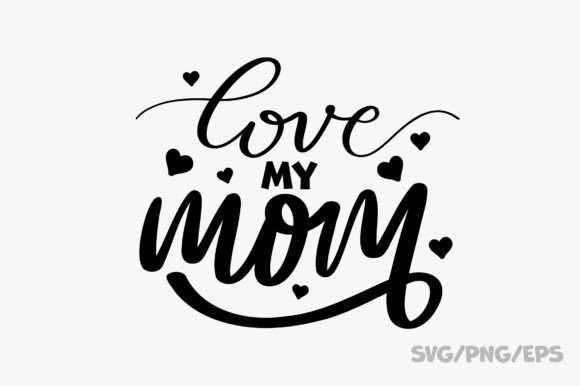
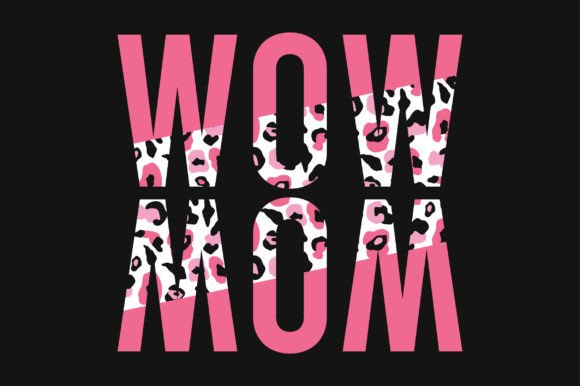
The mood here is immediately warm and celebratory. It’s a classic Mother’s Day sentiment with a layout that feels balanced and open. This isn’t an overly dense, intricate illustration; it’s built with clear, distinct vector shapes which, from an embroidery standpoint, is a very good sign. It promises clean transitions between elements and should allow for excellent stitching clarity. The personality is friendly and timeless—it doesn’t scream a specific trend, which means it will feel appropriate for a wide range of recipients, from a young mom to a grandmother.
Where This Design Finds Its Home
My mind immediately goes to personalized gifts and small shop merchandise. This embroidery file feels destined for a cozy, well-made sweatshirt, a crisp apron for the kitchen guru, or a beautiful pillow cover for a nursery or living room. I can vividly see it as a central motif on a high-quality tote bag—the kind of item a boutique would sell or a daughter would gift. The theme is universal enough for holiday embroidery but personal enough for a wedding gift to a new mother. For Etsy sellers and creative entrepreneurs, this is a design that could anchor a whole line of Mother’s Day products, from tea towels to embroidered patches.
Performance in Real-Life Embroidery Situations
Let’s walk through a scenario. Imagine you’re preparing a custom embroidered tote bag for a client. You’ve selected a sturdy canvas. How will Mother Day Mom SVG Sublimation perform? The fact it’s made from resizable vector shapes means you can adapt it to the bag’s scale without losing definition. You’ll need to consider stitch density. Areas that might become overly dense in satin stitch or fill stitch should be reviewed in your software before stitching. On a textured fabric like canvas, a slightly reduced density can help the design sit nicely without puckering.
For baby embroidery on a soft blanket or a little cotton cap, the design’s open layout is advantageous. You can keep stitches light and soft to maintain the fabric’s gentle feel. On the flip side, for a bold statement on a dark sweatshirt, you’d want to ensure thread color contrast is high—perhaps using bright, warm tones against a navy or black background to make the love in the design pop.
Careful Application: Where to Pay Extra Attention
Every design has its considerations. With this one, if you’re venturing into very small hoop sizes—like for a delicate patch or a hat’s curved surface—you must inspect those smaller details. Tiny lettering, if present, needs a precise stitch type and potentially a lighter stabilizer to remain crisp. On stretchy fabrics, like certain t-shirts, proper stabilizer is non-negotiable to prevent distortion. And for products destined for frequent washing—kitchen towels, aprons—you’ll want to test the design’s durability on scrap fabric first, ensuring stitch areas are secure and won’t fray easily.
The Impact on Your Product and Your Customer
Choosing a design like this isn’t just about aesthetics; it’s about value. When stitched well, a clean, heartfelt design enhances the perceived value of your handmade product. It communicates care and professionalism, which builds customer trust. For a craft business, it supports brand consistency if you specialize in warm, familial gifts. The giftability here is high—it’s instantly recognizable and emotionally engaging. In a printable mockup for your online shop or in a real photo at a craft fair, it draws the eye because it speaks directly to a universal relationship.
Practical Notes for the Embroidery Designer
Before you load this file and start stitching for a commercial embroidery project, do your due diligence. Always test on scrap fabric of the same type you’ll use for the final product. Check how it looks in both black and white mockups in your software to understand its form on light and dark backgrounds. Confirm the licensing terms of the file—can you use it for personalized gifts you sell? This is crucial. While the product description mentions included AI, EPS, SVG, and PNG files, and easy color changes, you’ll need to verify the specifics for your embroidery software compatibility and any required conversions.
Use this design as a strong digital design asset. Its vector foundation means it’s adaptable. But your embroidery machine’s interpretation is key. Review the stitch paths, consider simplifying overly complex shapes if needed for cleaner stitching, and plan your thread palette to complement the fabric. On a curved surface like a cap, you might need to adjust the layout slightly to accommodate the seam.
Final Thoughts for Makers and Decorators
Mother Day Mom SVG Sublimation presents itself as a versatile, emotionally resonant graphics file for the Crafts and apparel decoration world. From my designer’s eye, it has the foundational qualities that translate well to embroidery: clear shapes, a balanced theme, and an open heart. Its success in your embroidery project will hinge on your preparatory work—testing, stabilizing, and choosing the right product canvas. When matched thoughtfully with a high-quality garment or home decor item, it can create a finished product that feels both professional and deeply personal, exactly what a gift for mom should be.