A "Homeschool Mom" Embroidery Design for Real Projects
The First Impression: Warm, Confident, and Clear
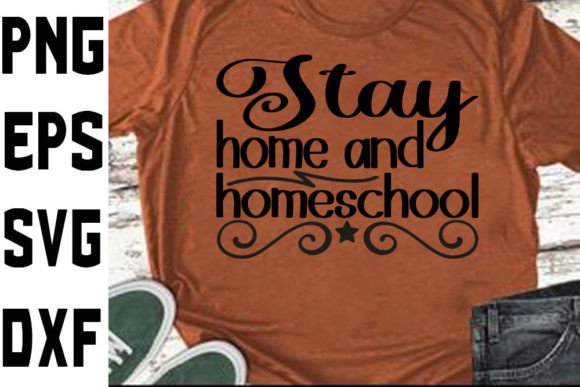
When I first looked at the Homeschool Mom Svg Design Stay Home an, my immediate thought was, "This feels like a badge of honor." The layout is straightforward and confident, with a clear, friendly mood. It isn't overly ornate or fussy, which is perfect for a machine embroidery design. This visual personality—warm and declarative—makes it feel like it belongs on something worn or used daily, a personal statement turned into a handmade product.
The shape and detail level are pragmatic. This isn't a design drowning in tiny, intricate flourishes that could vanish in stitching. It’s built for clarity, which means when you stitch it out, the message remains the hero. I instinctively pictured it on a well-loved sweatshirt or a sturdy canvas tote bag—items that carry meaning through use.
Where This Design Finds Its Natural Home
In my workshop, I think through designs by imagining them on finished goods. For this Homeschool Mom file, several applications shine. A custom embroidered tote bag for a teacher’s supplies feels right—the statement is both personal and functional. On a cozy, heavyweight sweatshirt, it becomes a comfortable declaration of identity. I also see strong potential for baby clothes or a nursery pillow cover, transforming them into gifts for the homeschooling family.
For small business owners and Etsy sellers, this design is a solid candidate for a simple, heartfelt product line. A tea towel in the kitchen, a patch on a backpack, or an apron—each becomes a personalized gift with immediate recognition. The design’s clarity boosts its value in craft fair products or boutique branding; it looks professional and approachable, which builds customer trust.
Practical Performance on Fabric and Hoop
Moving from concept to machine, this is where a design’s true character emerges. The provided file formats—SVG, PNG, DXF, EPS—offer flexibility for different software and techniques, which is essential for embroidery designers working across various projects.
Scenarios for Success and Careful Application
On stable fabrics like cotton twill for tote bags or mid-weight sweatshirt material, this embroidery file should perform beautifully. The expected stitch density for the main elements looks manageable, promoting good stitching clarity without excessive puckering. On custom apparel like t-shirts, using a firm stabilizer is key, especially given the potential for larger fill stitch areas.
However, some situations demand extra caution. On very small hoop sizes attempting a miniature version, the lettering might lose definition if not adjusted. Textured fabrics like terry cloth or thin fabric like a baby jersey require meticulous stabilization choices. Embroidering on dark fabric necessitates thoughtful thread color contrast planning—a bright white or a pastel palette could make the message pop.
The real test comes with curved surfaces like caps or on stretchy fabric. Here, the design’s layout needs to be assessed for distortion, and a test run on scrap material is non-negotiable. Also, for products destined for frequent washing, like kitchen towels or baby blankets, ensuring the stitch structure is secure and robust will maintain that handmade presentation over time.
The Impact on Your Project and Your Customer
A design isn’t just stitches; it’s an emotional and commercial asset. When this Homeschool Mom design is embroidered well, its visual appeal is direct and genuine. It doesn’t shout; it states. This authenticity enhances the perceived product value—it feels like a meaningful item, not a generic decoration.
For the creative entrepreneur, this translates into stronger buyer engagement. A customer looking for a gift for a homeschooling friend sees a product that speaks exactly to that experience. The giftability is high. For apparel decorators or digital product sellers using it in printable mockups, the design offers a clean, versatile graphics asset that can anchor a crafts collection.
Professional Notes for a Smooth Stitch-Out
Before committing this design to a final project, my routine as a reviewer involves several checks. Always test the design on scrap fabric first, ideally the same material as your final product. This reveals how the satin stitch or running stitch details behave.
Run it through black and white mockups to see how it holds up without color, and compare light and dark fabric backgrounds digitally if possible. Inspect any small details in the lettering or borders to ensure they’ll survive the translation from digital file to physical thread.
Crucially, confirm licensing before selling finished items. The file package suggests commercial potential, but a designer must verify the terms for their specific use—whether for personal and commercial projects, small shop merchandise, or as a digital embroidery file itself. This protects your brand consistency and professionalism.
Final Thoughts: A Design Built for Real Life
The Homeschool Mom Svg Design Stay Home an succeeds by being exactly what it needs to be: a clear, wearable, usable statement. It avoids unnecessary complexity that can frustrate embroidery machines and end products. Its strength is in its simplicity, making it a reliable choice for a embroidered patch, a holiday embroidery gift, or a staple in your craft business inventory.
As you prepare to load this file, think about the final holder of the item—the mom who might wear it on a busy homeschool day, or the friend giving it as a token of support. That’s the real embroidery project. This design, handled with practical care from test stitch to final hoop, can turn that intention into a beautiful, durable finished product.