Retro Mom Svg Mom Hustle: A Designer's Real-World Review
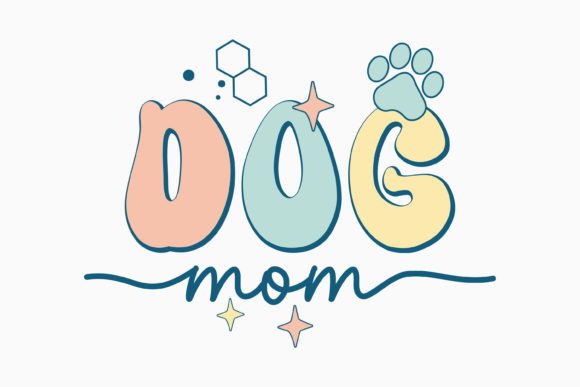
Whenever a new design file lands in my inbox, I’m looking past the preview image. I’m thinking about the stitch. I’m imagining it on fabric, held in a hoop, translated from pixels to thread. The Retro Mom Svg Mom Hustle design immediately caught my eye not just as a graphic, but as a potential embroidery project with a very specific mood. Here’s my practical take on it, from the point of view of someone who regularly turns digital files into physical, stitched products.
The First Impression: Warm Nostalgia with a Modern Edge
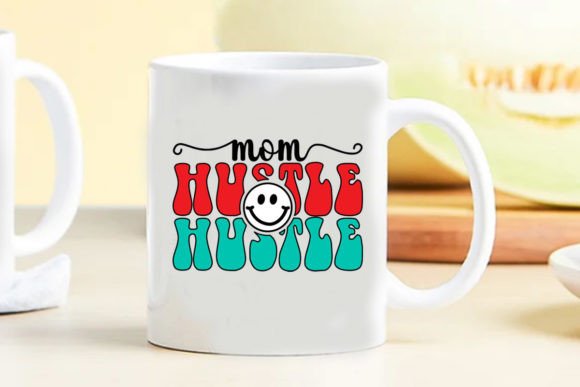
The design evokes a warm, nostalgic feel—that classic “mom” aesthetic—but with a clean, contemporary layout that avoids feeling overly sentimental or cluttered. The personality is friendly and confident, which is perfect for products meant to celebrate motherhood in a genuine way. The detail level appears balanced; there’s enough visual interest to make an embroidered piece stand out, but the elements aren’t so tiny that they’d become a nightmare of dense satin stitches or get lost on textured fabric. This isn’t a design meant for a tiny 3-inch hoop on a baby sock. It feels destined for a statement piece: a tote bag, the front of a cozy sweatshirt, or a decorative pillow cover in a nursery.
Where This Design Thrives in Real Projects
I recently needed a custom gift for a client’s mother—something personal but not fussy. A high-quality embroidered tote bag was the perfect solution. The Retro Mom Svg Mom Hustle design, with its clear shapes and thematic warmth, was a prime candidate. On a sturdy canvas tote, the design would stitch out with excellent clarity. The transparent background files mean you can easily place it, and the high-resolution ensures your machine embroidery software reads the details cleanly.
Beyond totes, this design feels naturally suited for a range of products where its message resonates:
- Custom apparel like sweatshirts and t-shirts for a boutique or Etsy shop.
- Home goods such as pillow covers, kitchen towels, or blankets as personalized gifts.
- Baby items like a keepsake blanket or nursery decor with a handmade touch.
- Small business merchandise for creative entrepreneurs who sell at craft fairs.
- Embroidered patches that could be applied to caps or aprons.
The mood it creates is one of appreciation and recognition, which boosts the giftability and perceived value of the finished product. A customer seeing this on a high-quality sweatshirt isn’t just buying a garment; they’re connecting with the sentiment, which is a powerful driver for handmade shops.
A Note on Commercial Use and Digital Assets
As a graphics file sold in the Crafts category, its primary strength is versatility. The included PNG, JPG, and PDF files are excellent for creating printable mockups for your online listings, or for using as digital assets in your product previews. This is a huge benefit for Etsy sellers and digital product sellers who need to showcase their work before stitching. However—and this is crucial—always confirm the licensing terms before selling finished items or using the design commercially. The product description doesn’t specify these terms, so you must check with the seller or designer. This protects your craft business and maintains customer trust.
Careful Considerations for Stitching Success
While the design is appealing, a professional embroidery project requires planning. Here are the situations where I’d proceed with caution or adapt my approach:
- Small hoop sizes: The design has presence. Trying to cram it into a very small hoop on a cap or a baby item might compromise detail clarity, especially in any smaller lettering elements.
- Textured or stretchy fabric: On thin jersey or a highly textured linen, the stitch density needs to be right. A fill stitch area that’s too dense could puckering; on stretchy fabric, proper stabilizer is non-negotiable.
- Dark fabric backgrounds: The retro feel often leans on lighter, softer colors. On a black or navy garment, you’d need to carefully select thread colors with high contrast to maintain the warm mood and ensure readability.
- Products needing frequent washing: If you’re embroidering it on a kitchen apron or a child’s item, consider reinforcing the stitch areas and using durable threads to ensure longevity.
These aren’t flaws of the design; they’re just the realities of translating any graphics file into a physical embroidery design. Being aware of them is what separates a hobbyist experiment from a professional, sellable product.
Practical Notes from the Hoop
Before I ever load a design into my machine for a client project or my own shop inventory, I follow a simple routine. For the Retro Mom Svg Mom Hustle, I’d recommend the same:
- Test on scrap fabric first. Use the same material you intend for the final product. This reveals how the stitch density behaves and whether any tiny details get lost.
- Check thread color contrast. Do a quick test in both light and dark fabric backgrounds. Sometimes a color that looks perfect on screen needs adjustment on cloth.
- Review the design in your software. Look for any potential trouble spots like very tight corners or overly dense areas that might need slight adjustment for your specific machine.
- Confirm your hoop size. Measure the design’s intended stitch area and ensure your hoop can accommodate it comfortably for clean registration.
- Use proper stabilizer. This is the foundation of a clean finish, especially on apparel or stretchy fabrics.
This process ensures the visual appeal translates into stitching clarity, which directly impacts your product’s value and your professionalism as a maker. A well-executed embroidery piece using this design will look intentional and high-quality, reinforcing your brand consistency if you’re a small business owner.
The Final Stitch: A Design Built for Connection
Ultimately, the Retro Mom Svg Mom Hustle isn’t just a set of graphics files. It’s a design concept that, when thoughtfully executed, creates a connection. It feels authentic, not generic. On a finished product—that embroidered tote bag for a mom, the personalized sweatshirt in a boutique, the holiday gift pillow cover—it tells a story. That story enhances buyer engagement and makes your handmade product memorable.
My advice is to embrace its nostalgic yet clean personality. Choose projects where it has space to shine, prepare your materials with care, and always verify the licensing for your intended use. When you do, you’ll have an embroidery project that’s not only technically sound but also emotionally resonant, which is the perfect combination for any creative entrepreneur or serious crafter.