From SVG to Stitch: Reviewing the Football Mom Design
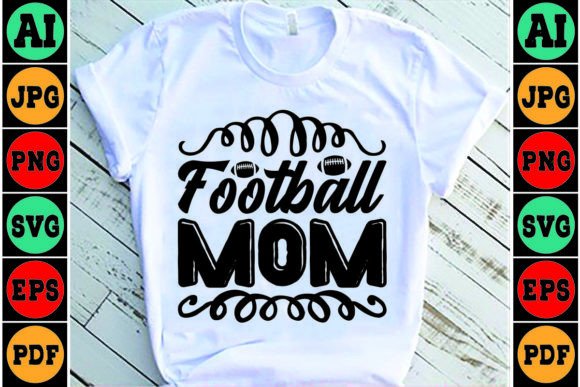
When a digital embroidery file lands in my library, I don’t just look at the preview. I think about how it will translate from screen to stitch, from pixels to thread. That’s the lens I’m using today for the Football Mom Mom SVG Design. As someone who supplies custom apparel and gifts, my first question is always: does this design have the personality and practicality to thrive in a real project?
The First Impression: More Than Just Text
This isn’t a simple text-based slogan. The layout suggests a central, stylized emblem—likely combining the “Mom” identifier with football-themed graphics. That’s promising. It creates a mood of personalized pride, a badge of honor for a parent in the thick of the season. The visual personality feels celebratory and community-oriented, which tells me it’s destined for projects meant to be worn and shown off, not just stored. Its natural home isn’t on a generic logo sheet; it’s on the back of a sweatshirt, the front of a tote bag, or proudly displayed on a nursery pillow for a little fan.
Where This Design Excels in Real Projects
Thinking through my upcoming work, I immediately see a few standout applications. A custom embroidered tote bag for a team mom—the structure of a tote provides a perfect, stable canvas for a design with detail. Embroidered on a cozy sweatshirt, it becomes a wearable, shareable statement. As a decorative patch, it could be applied to a blanket or apron, adding a handmade touch to functional items.
For my small business clients who sell at craft fairs or on Etsy, this design translates into clear product value. It’s a ready-made theme for holiday gifts, personalized products, or boutique merchandise around sports seasons. The provided file formats, including the high-resolution PNG and transparent backgrounds, are crucial for creating professional digital product previews and printable mockups that build customer trust.
In terms of embroidery performance, the key will be the detail level. A design like this, if it includes smaller decorative accents or intricate lettering, will shine on stable, medium-weight fabrics. Think cotton twill for caps, sturdy cotton for pillow covers, or a good quality fleece for baby blankets. The stitch density needs to be balanced—not so dense that it stiffens a tea towel, but substantial enough to look crisp on a dark fabric sweatshirt.
Navigating the Tricky Terrain: Where to Exercise Caution
Every design has its ideal applications, and knowing the limits is what separates a successful project from a frustrating one. With a themed design like Football Mom Mom, I’d approach certain situations carefully.
Small hoop sizes might compress the elements too much, losing clarity. Textured fabrics, like loosely knit sweaters, could distort the finer details. Stretchy fabric requires extra stabilizer and possibly a simplification of the design elements to prevent puckering. Embroidering on curved surfaces like caps demands a thoughtful placement to avoid the design wrapping awkwardly around the seam.
Most importantly, for products destined for frequent washing—like kids’ apparel or kitchen towels—the integrity of small details and lettering is paramount. A test stitch on scrap fabric is non-negotiable here. It lets you check thread color contrast, review how small details like potential football stitching or decorative stars hold up, and confirm the overall stitch clarity. I always advise testing on both light and dark fabric backgrounds to truly gauge its versatility.
The Professional Impact: Beyond the Single Stitch
Using a well-executed digital embroidery file affects more than just the one item you’re hooping. For embroidery designers and creative entrepreneurs, it influences visual appeal across your portfolio, strengthens brand consistency if you specialize in sports or family-themed goods, and enhances the giftability of your products. A clean, recognizable design like this can boost buyer engagement because it communicates a specific, relatable sentiment.
For commercial embroidery projects or selling finished items, the licensing provided with the files is foundational. The description notes a range of editable and color-changeable files, which is excellent for adaptation. Before proceeding, I would confirm the specifics of the license to ensure it covers my intended use, whether for personal gifts or small shop merchandise.
Practical Notes from the Hoop
My process with any new design, including this one, follows a few concrete steps. First, I examine the file formats. Having AI, EPS, and SVG means the design is editable at a vector level, allowing me to adjust size or separate elements if needed for a specific machine embroidery design process. The high-resolution PNG and JPG with mockup are invaluable for marketing the finished product.
Before loading the file into my machine, I consider the final product context. Will this be a satin stitch-heavy design, or more of a fill stitch composition? That decision impacts stabilizer choice. On a tote bag, a firm cutaway might be best; on a baby garment, a lightweight tear-away would be preferable.
I also think about thread colors. A design celebrating football might lean towards traditional team colors, but the “color changeable” aspect mentioned is a powerful tool. It allows customization for different schools or personal preferences, increasing its utility for a craft business serving diverse clients.
Ultimately, the Football Mom Mom SVG Design strikes me as a versatile graphics asset for the crafting community. Its strength lies in its thematic focus and the breadth of provided file types. For machine embroidery, its success will hinge on thoughtful project selection, thorough testing, and leveraging its editable nature to fit the fabric, the product, and the proud football mom who will eventually wear it or display it. It’s a design that, with practical handling, can stitch a lot of joy.