First Impressions of On My Moms Last Nerve Svg
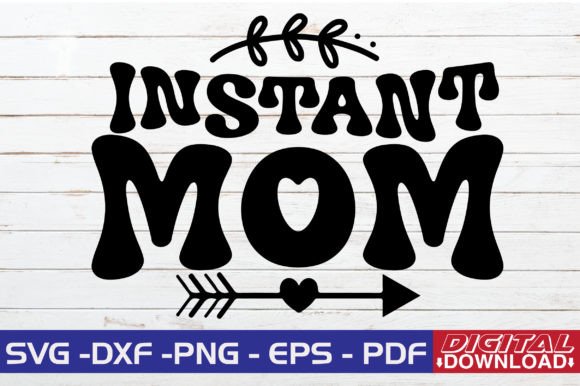
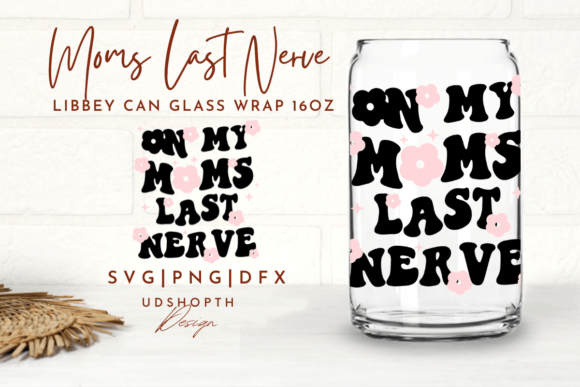
Opening this design, you immediately get its personality. The wavy, stacked text has a playful, slightly exasperated energy that’s perfect for the “mom life” niche. It’s not a harsh statement; it’s relatable and humorous. The layout feels modern, with that staggered, casual typography that works so well for contemporary embroidery. My first thought was how this would look on a cozy, cream-colored sweatshirt—a perfect gift or a quick-turnaround item for a small shop.
Where This Design Naturally Belongs
This isn’t a formal or delicate piece. It’s a conversational design. I can immediately picture it embroidered on a variety of substrates. A tote bag for a mom who needs a laugh at the grocery store. A kitchen apron for a bit of humor while cooking. A pillow cover in a playful nursery or living room. It’s also a strong candidate for a simple, bold patch that could be applied to a denim jacket or a canvas backpack. The theme taps into a very real, shared experience, making it highly giftable and likely to resonate in personalized product listings.
For commercial embroidery projects, this design fits into a category of “light-hearted lifestyle” products. An Etsy seller specializing in mom-themed merchandise could use this on baby bibs, tea towels, or even as a small accent on a blanket. The “Libbey template” mention in the description also hints at application beyond fabric, which opens doors for crafters working with glassware or mixed-media projects. It’s a versatile graphic.
The Practicalities of Stitching This Design
In real embroidery situations, the wavy stacked text will require some consideration. On curved surfaces like caps, the distortion might affect the readability of the lower lines, so a flat, stable area like the front panel of a cap would be best. For small hoop sizes, you’ll need to ensure the design scale doesn’t compress the lettering too much, making the satin stitches too dense and potentially stiff on thin fabrics like t-shirts.
On textured fabrics like some sweaters or blankets, the fill stitches in the letters will need good stabilizer to prevent puckering and to keep the text sharp. This design would shine on medium-weight fabrics: cotton canvas for totes, mid-weight sweatshirt fleece, or a sturdy cotton for aprons and pillow covers. On dark fabric, the contrast needs to be high—a bright white or a vibrant color thread would be essential to maintain the design’s playful visibility.
Visual Appeal and Customer Perception
From a business perspective, a well-executed embroidery of this design adds value through its authenticity. It feels handmade and personal. For a boutique or small shop, using a relatable, trendy phrase like this can increase buyer engagement because it connects on an emotional level. It’s not just a decorative element; it’s a statement. The stitching clarity is crucial here—clean, crisp satin stitches on the letters will make the finished product look professional and trustworthy, while fuzzy or uneven stitching could undermine the casual-cool vibe the design intends to project.
Brand consistency matters too. If your shop focuses on humorous, family-oriented gifts, this embroidery file fits seamlessly. It enhances your collection’s personality. For digital product sellers offering this as a design asset, its clear commercial potential (for finished physical items) is a strong selling point in mockups and previews.
Caution Areas for Embroidery Application
There are places where I’d use this design carefully. Tiny versions for baby clothes or delicate items might lose the impact and detail of the wavy layout. On stretchy fabric like some t-shirts, the density of the filled letters could restrict the fabric’s movement if not scaled appropriately. Detailed corners in the stacked text might need close inspection during digitizing or machine setup to ensure they stitch out cleanly without jumps or thread breaks.
Products that need frequent washing, like kitchen towels or everyday apparel, require a robust stitch structure. Testing the design’s stitch density on scrap fabric first is non-negotiable to see how it holds up after several wash cycles. Also, layered garments with seams or pockets underneath the embroidery area could present hooping challenges.
Notes from the Embroidery Desk
Before running this design on a client’s item or a batch of products, my routine applies. First, I always test on scrap fabric of the same type and weight I plan to use. This tells me about the necessary stabilizer and any potential tension adjustments. I check thread color contrast against both light and dark background mockups—sometimes a color that looks great on screen reads differently in thread.
I review the stitch density in the software preview; overly dense areas can be stiff and may wear differently. Confirming the hoop size needed for my intended final product size prevents last-minute re-scaling issues. I inspect the small details, particularly the connection points in the stacked letters, to ensure they won’t become weak points in the stitching.
It’s also wise to test the design in a simple black-and-white thread mockup on fabric to judge its fundamental shape and readability without color influence. Crucially, I confirm the licensing terms for this graphics file before any commercial use. Can I sell the embroidered products? Can I use it in promotional mockups for my business? This due diligence protects my work and my client relationships.
The Final Stitch: A Design Built for Connection
On My Moms Last Nerve Svg, Mom Svg is more than just a phrase; it’s a design built for connection. In the hands of an embroidery designer or crafter, it becomes a tangible product that sparks a smile, a nod of understanding. It performs best when its casual, stacked personality is honored with clean embroidery on suitable fabrics. It’s a strong asset for personalized gifts and small business merchandise, adding a layer of relatable humor that can elevate a simple item to a cherished one.
Whether you’re preparing a custom embroidered sweatshirt for a Mother’s Day gift, a batch of tote bags for a craft fair, or a series of patches for your online shop, this design offers a straightforward path to a finished product with immediate appeal. Its success hinges on the practical embroidery choices you make—fabric, scale, color, and stabilizer—but the foundational design is solid, engaging, and ready for the hoop.