Evaluating the Out Numbered by Tiny Humans SVG Design
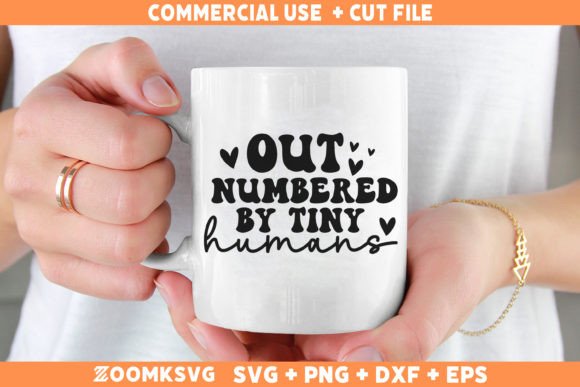
As someone who spends more time at my embroidery machine than anywhere else, I approach a new file with a practical eye. When I first opened the Out Numbered by Tiny Humans SVG, the immediate impression was a playful and relatable charm. The title, “Out Numbered by Tiny Humans,” isn’t just text; it’s a declaration, framed with a design that feels warm and a little bit mischievous. This isn’t a stern, formal mom design. It’s conversational, perfect for creating a piece that speaks directly to a mother’s everyday reality.
The Mood It Stitches Into Fabric
The layout has a balanced, centered weight, making it a dependable choice for classic placement on a chest or a tote bag pocket. The visual personality leans into humor and heart, which is a powerful combination for a handmade product. It doesn’t scream; it smiles. I imagined this design stitched onto a soft, cream-colored sweatshirt. The finished piece wouldn’t just be apparel; it would feel like a badge of honor, a wearable inside joke for moms that invites a grin rather than just a glance.
A Perfect Fit for Gifts and Boutique Merchandise
This embroidery file naturally belongs to projects meant for connection. Think custom tote bags for a mom’s group, personalized baby blanket borders, or a cozy apron as a Mother’s Day gift. For an Etsy seller or small shop, this design slots beautifully into “mom and me” collections, nursery decor, or as a standout piece for holiday embroidery promotions. Its theme is specific enough to resonate deeply but broad enough to fit a variety of craft business applications.
Real-Life Embroidery Performance: A Scenario
Let’s walk through a real case. I’m preparing a custom embroidered tote bag for a client who wants a gift for her sister, a new mom of three. The Out Numbered by Tiny Humans SVG is the chosen design. My first consideration is fabric: a sturdy cotton canvas tote. The design’s detail level appears manageable—the lettering is clear and not overly intricate, which is a relief for clean stitching on a textured fabric. I’d likely use a solid fill stitch for the main graphic elements and perhaps a satin stitch for the lettering to give it a smooth, premium pop.
On a dark fabric, like a navy sweatshirt, I’d plan for bright, contrasting thread colors to maintain that playful visibility. The design’s layout, being fairly open, suggests it won’t create overly dense stitch areas, which is good for the drape of a garment and for avoiding stiffness on stretchy fabrics like knit baby clothes.
Where Caution is Needed
This is where practical judgment comes in. While the design feels robust, I would be careful on very small items. Embroidering it onto a cap or a small baby sock would require scaling it down significantly, and at a tiny size, some of the charm and clarity of the lettering might be lost. Similarly, on very thin or slippery fabrics, the stabilizer choice becomes critical to prevent puckering around the text.
The corners and any decorative accents within the file need inspection at the machine level before committing to a final product. I always advise testing on scrap fabric first, especially for a design destined for a personalized gift or small shop merchandise. How does it look on a black mockup versus a white one? Does the stitch count feel appropriate for your chosen hoop size?
Impact on Your Business and Customer Trust
Using a design like this isn’t just about stitching; it’s about the story your finished product tells. When a customer sees this on a pillow cover or a kitchen towel, the quality of the embroidery—clean lines, good thread coverage, no registration issues—directly affects perceived value. A well-executed version of this relatable theme builds customer trust. It shows you understand both craft and sentiment.
For creative entrepreneurs, it enhances handmade presentation and can become a consistent piece in your brand if you specialize in family-focused goods. Its giftability is high; it’s instantly recognizable and emotionally engaging, which can drive buyer engagement in your Etsy listings or at craft fairs.
Professional Designer Notes Before You Hoop
- Always test the design on scrap fabric identical to your final project fabric. Check the thread color contrast thoroughly.
- Review the actual stitch density in your machine software. Is it appropriate for your fabric weight?
- Confirm the design works physically for your intended hoop size. Don’t assume.
- Inspect the small details, like the interior curves of letters, to ensure they will stitch out cleanly without jumps or fills.
- Use proper stabilizer for the substrate—this is non-negotiable for professional results.
- Crucially, confirm licensing before selling finished items or digital products. While the product description indicates wide use, always verify the specific terms for commercial embroidery.
The Final Stitch: A Design That Works
Ultimately, the Out Numbered by Tiny Humans SVG feels like a practical, joyful asset for an embroidery designer’s library. It’s not overly complex, which makes it reliable for a range of commercial embroidery projects and quick-turn personalized gifts. Its strength is in its emotional hook combined with a technically feasible layout. When you stitch it onto that tote bag or sweatshirt, the result should look confident and friendly—a reflection of both the mom it honors and the careful craft behind it. It’s a design that, with proper setup, will leave you and your customer feeling anything but outnumbered by the process.