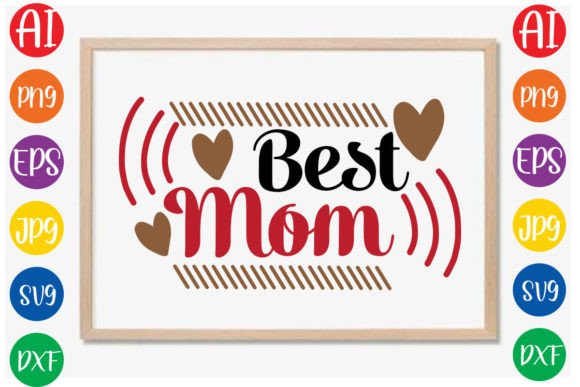
Evaluating the "Best Mom" SVG for Real Embroidery Projects
When a design like "Best Mom" lands in my project folder, my first thought isn't just about the file formats. It’s about how it will translate from screen to stitch. As someone who embroiders for clients and my own small shop, I judge a design by its real-world potential: will it look good on fabric, will it resonate with customers, and is it practical to execute?
The Immediate Mood and Personality of This Design
The "Best Mom" theme is, of course, universally warm. A well-executed design for this sentiment should feel approachable and heartfelt, not overly ornate or rigid. From a design perspective, the key here is balance. The layout and detail level need to support the message without complicating the embroidery process. A clean, vector-based design—as indicated by the provided SVG, EPS, and AI files—typically promises good scalability, which is a huge plus. My first impression, before even testing it, is that this design likely belongs on cozy, personal items: a custom sweatshirt, a kitchen towel, a baby blanket, or a simple tote bag meant as a heartfelt gift.
Where This Design Performs Brilliantly in Practice
Imagine you’re preparing a custom embroidered tote bag for a Mother’s Day order. This is a real-life scenario I face often. A "Best Mom" design needs to be clear, durable, and visually appealing on a canvas-like fabric. The high-quality vector files suggest the design can be scaled without losing integrity, making it suitable for larger items like bags or pillow covers, as well as smaller ones like caps or patches. For small business owners and Etsy sellers, this versatility is crucial. It can become a staple for holiday gifts, personalized baby items, or simple boutique merchandise.
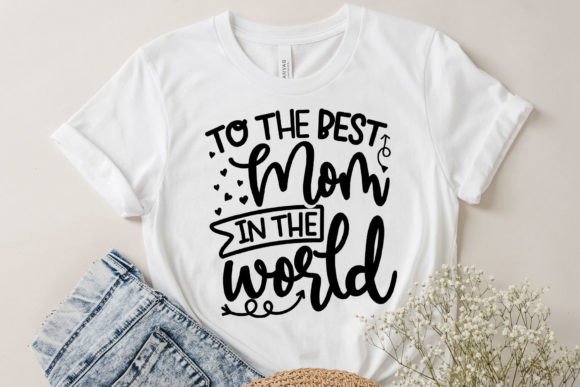
For apparel decorators, a clean "Best Mom" embroidery file can elevate a basic sweatshirt or t-shirt into a cherished gift. The design’s success on these items hinges on stitch clarity. A vector-based design usually translates to clean paths for satin stitches or fill stitches, which helps the final product look professional and increases its perceived value. When a customer sees a crisp, well-embroidered sentiment on a garment, it builds trust in your handmade presentation.
Navigating the Tricky Terrain: Where to Use Caution
No design is perfect for every scenario. With "Best Mom," the potential pitfalls often lie in the execution details, which you must assess yourself since specific stitch counts aren’t provided. If the design includes very small lettering or intricate decorative accents, these areas could become dense or blurry on textured fabrics like some fleeces or on stretchy fabrics without proper stabilizer. Embroidering on dark fabric requires careful thread color contrast planning—a bright white or pastel might pop, but a low-contrast choice could lose the message.
Small hoop sizes for tiny items might challenge areas of high detail. Curved surfaces like caps demand a design that can adapt without distorting. Always test on scrap fabric first. I’d also be cautious about using it on products that need frequent washing, like everyday kitchen towels; a design with very dense stitch areas might wear differently over time. The key is to match the design’s complexity to the product’s function.
How This Design Impacts Your Craft Business
From a commercial perspective, a solid "Best Mom" embroidery design is more than a graphic; it’s a reliable asset. For digital product sellers offering printable mockups or for craft businesses creating physical goods, it contributes to brand consistency. If your shop specializes in heartfelt, family-oriented gifts, this design fits that narrative perfectly, enhancing your catalog’s giftability and recognition. It engages buyers by tapping into a universal emotion, but it must be embroidered well to deliver that promise.
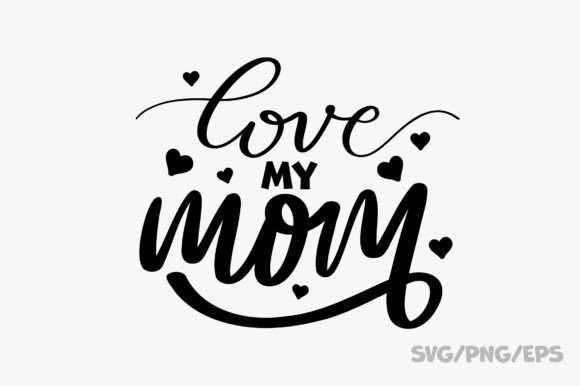
Professionalism comes from the finished product’s quality, not just the digital file. This design’s provided formats—PNG for print-ready previews and vector files for clean scaling—are excellent starting points for creating that quality. They help you present your products confidently, whether in Etsy listings, craft fair displays, or for commercial embroidery projects for clients.
Practical Notes From the Embroidery Hoop
Before you commit this design to a client’s project or a batch of shop merchandise, run through a few practical checks. Test it on a light and a dark scrap of your intended fabric. Review the stitch density by running a small sample; look for any tiny details that might need adjustment. Confirm your hoop size can accommodate the design at your chosen scale. Inspect the design in black and white mockups to check form clarity without color.
Always use the proper stabilizer for your fabric type. Crucially, since the product description notes it’s a digital download for Crafts and Graphics, you must confirm the licensing terms before selling finished items. Does it allow for commercial use of the embroidered products? That information is essential for small business owners and apparel decorators. Don’t assume; check with the seller or license documentation.
Finally, think about thread colors. A "Best Mom" design might call for soft, warm tones or classic, bold contrasts. Your choices here directly affect the visual appeal and stitching clarity on the final product.
In essence, the "Best Mom SVG Design" has the foundational qualities—multiple high-quality file formats—to be a versatile and valuable asset in your embroidery work. Its real worth, however, will be proven by how thoughtfully you apply it to your specific fabrics, products, and business needs. It feels like a design meant to celebrate, and with careful execution, it can do that beautifully on a stitched, handmade product.