Deer Mom: A Gentle Emblem for Handmade Gifts
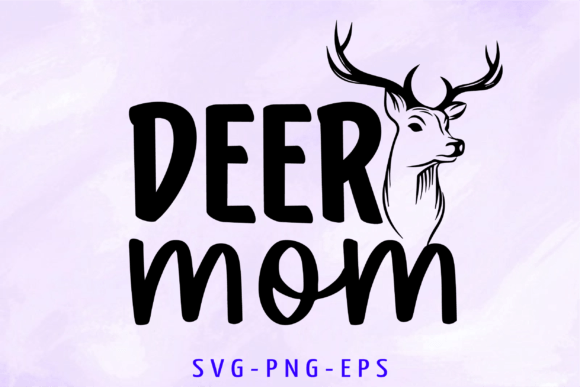
When a new embroidery file lands in my inbox, I’m always looking at it through the lens of real projects. I imagine it on fabric, stitched out, and in the hands of a customer. Today, I’m evaluating the Deer Mom Svg design, not just as a digital graphic, but as the heart of a future embroidered piece.
The Quiet Charm of Deer Mom for Crafted Products
The first impression of this design is its gentle personality. The theme—a deer alongside the word “Mom”—creates an immediate sense of warmth and affection. It’s not loud or overly decorative; its charm lies in its simplicity. This makes it a remarkably versatile starting point. I picture it embroidered on a linen pillow cover for a nursery, or as a small, heartfelt detail on the corner of a keepsake blanket. The layout feels balanced, and the detail level appears suitable for clean stitch translation without losing its character.
This isn’t a design that shouts; it whispers a message of love. That mood is perfect for the personalized gift market, a huge segment for craft businesses and Etsy sellers. As an embroidery designer, I know that a design’s visual personality dictates its best home. This one naturally belongs on heirloom items, cozy apparel, and boutique products meant to convey tenderness.
Where Deer Mom Stitches Up Perfectly
Let’s walk through a real scenario. Imagine you’re preparing a custom embroidered tote bag as a Mother’s Day gift from a child. You choose a natural canvas fabric. The Deer Mom Svg file, with its separate SVG and PNG formats, allows you to easily prep it for your machine. On that sturdy tote bag material, the design will hold its clarity. The shapes are likely to translate into clean satin stitch outlines or gentle fill stitch areas without overwhelming the fabric.
This design performance extends beautifully to other real-life embroidery situations. Consider a soft cotton sweatshirt, a baby’s organic cotton romper, or a classic apron. It would work as a standalone focal point on a pillow cover or as a subtle accent on a kitchen towel. For small business merchandise, such as a series of embroidered tea towels for a boutique, this design offers consistent, recognizable branding. Its scalability in the provided vector formats means it can adapt from a small patch to a larger commercial embroidery project on a blanket without losing integrity.
A Note on Visual Appeal and Customer Trust
Using a design like this affects more than just aesthetics. When stitched well on a quality product, it enhances perceived value. A customer sees a clean, heartfelt embroidered patch on a hat and trusts the craftsmanship. It boosts the handmade presentation and, crucially, the giftability of the item. For creative entrepreneurs, that emotional connection drives buyer engagement and can turn a single sale into a repeat customer.
Considerations Before Hooping Your Fabric
While the design’s simplicity is a strength, it invites careful planning. Any design with lettering, like “Mom” here, requires attention on small hoop sizes. You must ensure the text remains legible after stitching—test it on scrap fabric first. On textured fabrics like some boucle sweaters, or on stretchy fabric like jersey, the detail might need added stabilizer to stay sharp.
Dark fabric backgrounds are a classic choice, but they demand high contrast in thread color selection to make the gentle deer figure pop. Similarly, applying this to curved surfaces like caps requires considering how the flat digital design will conform to the shape. The provided files are suitable for various machines, but always confirm your specific hoop size and stitch density settings can accommodate the design’s elements without puckering.
Another practical note: for products needing frequent washing, like baby clothes or kitchen linens, a simpler design with less dense stitch areas often holds up better. This appears to fit that bill, but a test run on your chosen fabric is the only way to know for sure.
Practical Notes from the Embroidery Table
Before committing this to a client project or your next craft fair product batch, here’s my standard checklist. It’s what I do for every embroidery file I intend to use.
- Always test the design on scrap fabric first, using the same material and stabilizer as your final product.
- Check thread color contrast against both light and dark backgrounds. Create simple black and white mockups to judge form.
- Review the stitch output for any tiny lettering or detailed corners that might need manual adjustment.
- Confirm the licensing terms for this digital file. Since it’s a digital product, understand its permissions for personal and commercial projects before selling finished items.
- Use a proper stabilizer for your specific fabric texture. This is non-negotiable for professional results.
- Think about the final product’s use. Is it a holiday embroidery gift? A wedding gift for a new mom? That context will guide your fabric and thread choices.
The Final Stitch: A Design Built for Meaning
Evaluating the Deer Mom Svg ultimately comes down to its application. It’s a graphics file within the crafts category, but its real value emerges on fabric. It’s a design that doesn’t fight with the material; it complements it. For embroidery designers and apparel decorators looking for a reliable, emotionally resonant motif, this offers a solid foundation.
It won’t be the right choice for every project—those needing high drama or extreme detail should look elsewhere. But for the maker aiming to create a sense of quiet love, a personalized heirloom, or a consistent line of boutique merchandise, this deer carries a lot of potential. Your needle and thread, guided by a thoughtful test and careful setup, will bring that potential to life.