Better Call Mom: A Designer's Take on a Free Embroidery File
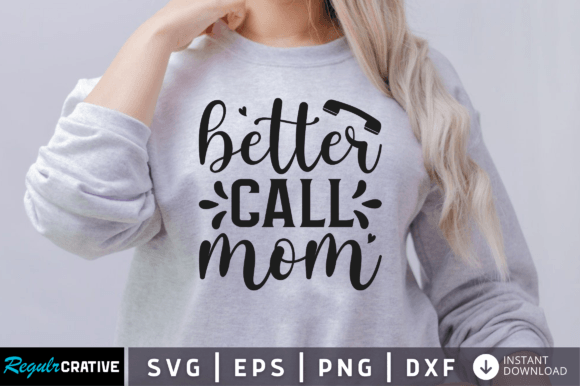
As someone who stitches designs for clients, runs a small craft business, and loves creating personalized gifts, I always approach a new embroidery file with a designer’s eye. The real question isn’t just if it looks good on screen, but how it translates into thread and fabric. Today, I’m looking at the FREE Better Call Mom Svg from that exact perspective. Let’s think through where it shines, where it might need a little extra care, and what kind of projects it’s destined for.
The Immediate Charm and Practical Personality
The first thing you notice with this design is its mood. It’s playful, warm, and instantly relatable. The theme is clear and universal, which is a huge advantage for crafters and small businesses. From a visual standpoint, the layout feels balanced. It’s not overly detailed, which is actually a strength for an embroidery design. Too many tiny elements can become a muddy mess when stitched. This one has a personality that suggests it would work beautifully as a clean, standout statement on fabric.
My mind immediately goes to projects that celebrate connection. A custom embroidered tote bag for a Mother’s Day market stall. A cozy, embroidered patch on a denim jacket for a personalized gift. A sweet, subtle design on a baby item like a bib or blanket, hinting at that special bond. It doesn’t scream “holiday,” but rather a gentle, everyday appreciation—which makes it versatile for craft business items beyond just calendar events.
Real-Life Performance: From Mockup to Stitched Product
So, how does this FREE Better Call Mom Svg perform when we move from idea to hoop? The description mentions use on t-shirts, mugs, signs, and more, including with Cricut. For our world—machine embroidery—that tells me the vectors are likely clean, which is promising. Let’s walk through some typical scenarios.
On a custom apparel like a sweatshirt or t-shirt, this design would sit nicely as a left chest or center placement. The lettering is the core element. In embroidery, clear lettering is paramount for customer trust and a professional look. I’d test this on scrap fabric first, paying close attention to any small, enclosed areas or corners in the typography to ensure stitch clarity. A satin stitch for the letters could look fantastic, but you’d need to check the stitch density in your software to avoid a bulky feel on lighter fabrics.
For home goods, think aprons, pillow covers, or kitchen towels. These make wonderful personalized gifts and boutique products. The design’s theme fits perfectly here, adding a handmade, heartfelt touch. On a tote bag, which is a staple for many makers, it would become a conversational piece—the kind of item that gets compliments at a craft fair and boosts buyer engagement.
Now, for more challenging applications. The mention of use with cutting machines suggests it could be adapted for applique. That opens doors to using fabric layers, which can be stunning on baby embroidery or blankets. However, as an embroidery file alone, careful planning is needed for textured fabrics or stretchy fabric. A good stabilizer is your best friend here. Also, on dark fabric, you’ll need to think about thread color contrast—a bright, cheerful palette would pop beautifully.
Navigating the Tricky Spots with Confidence
Every design has its considerations, and an experienced designer thinks about them upfront to save time and thread. For this one, the potential tricky spots aren’t flaws, just areas to approach with knowledge.
First, tiny lettering. If any part of the text is very fine, it might not translate well on certain materials or in very small hoop sizes. I always advise testing a section on your intended fabric. Is it a crisp, readable line after stitching, or does it get lost? This directly affects the product value and the handmade presentation.
Second, placement on curved surfaces like caps. This is a popular request for apparel decorators. The design’s likely balanced layout could work well, but you must check how it digitizes for a curved template. You might need to adjust the size or orientation slightly to ensure it looks centered and natural when worn.
Finally, think about products that need frequent washing, like t-shirts or kitchen linens. A well-digitized design with proper density and secure stitches will hold up. This longevity is key for customer trust and for your reputation as a seller of quality finished products.
Your Designer Notes Before You Hoop
Before I use any file for a client project or my own small shop product, I run through a quick mental checklist. For the FREE Better Call Mom Svg, here’s what I’d do.
- Test on scrap fabric first. Always. Use the same material you plan for the final product.
- Review thread color contrast. Play with schemes. Maybe a classic red and white, or soft pastels for a baby item.
- Check it in black and white mockups. This helps you see the form without color distracting you, useful for judging clarity.
- Compare light and dark fabric backgrounds in your software preview. How does the silhouette look?
- Confirm the licensing before selling finished items. “Free” can mean different things. Ensure it’s clear for commercial embroidery projects if you’re an Etsy seller or digital product seller. This is crucial for your brand consistency and professionalism.
- Use proper stabilizer for your specific fabric. This single step makes or breaks the final look.
The Final Stitch: Where This Design Finds Its Home
After this practical review, I see the FREE Better Call Mom Svg as a robust, charming digital embroidery file. It’s not a hyperspecific, ornate piece; it’s a warm, clear statement that belongs on products meant to convey affection and connection. Its greatest strength is its giftability and recognition. A customer sees it on a holiday embroidery piece or a simple embroidered patch and immediately understands the sentiment.
For makers, it’s a versatile design asset. It could be the centerpiece of a Mother’s Day collection in your craft business, a sweet addition to a line of nursery decor, or a popular option for personalized products in your boutique. Because it feels friendly and human, it aligns well with the values of handmade shops.
In the end, the job of a designer reviewing a file is to see its potential in thread and its life on a product. This one has a clear path to many happy embroidery projects. Just bring your practical knowledge to the hoop—test, stabilize, and choose your projects wisely—and it will stitch up into something that feels both professional and profoundly personal.