An Experienced Designer's Take on the Boy Mama SVG
Every time I’m about to load a new embroidery file into my machine, I stop and really look at it. Not just as a graphic, but as a future physical object. How will it stitch out? What will it feel like on fabric? The Boy Mama SVG arrived in my inbox with that familiar promise of versatility, and my first task was to envision it beyond the screen.
The Immediate Mood and Where It Belongs
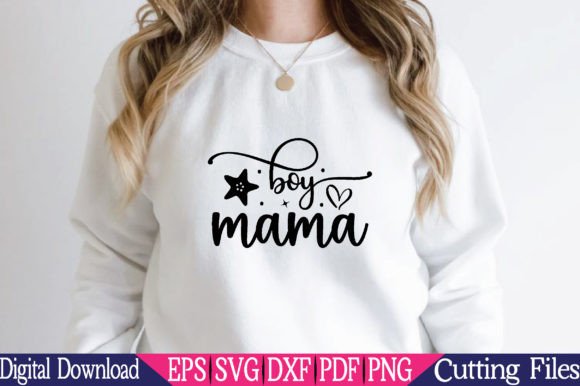
The design lands with a warm, grounded, and celebratory feeling. It’s straightforward and heartfelt, which is exactly what you want for projects centered on family and personal connection. The layout is clean, with a central, declarative focus. This isn’t a fussy, intricate piece; its visual personality is confident and sweet, making it a natural fit for gifts and personalized everyday items.
In my mind, it immediately belonged on a cozy, worn-in sweatshirt or the corner of a soft baby blanket. It felt like the kind of motif you’d stitch onto a canvas tote bag for a mom who carries everything for her little boy, or as a simple, beautiful patch on a denim jacket. The theme is universal, but its strength lies in that direct, uncluttered statement.
From Digital File to Stitched Reality
When I think about running this embroidery file on actual projects, a few scenarios come to the forefront. For custom apparel, like t-shirts or sweatshirts, it would stitch out cleanly with a nice satin stitch for the lettering, creating a professional, handmade presentation. On a baby item—say, a little hoodie or a nursery pillow cover—it becomes a gentle, personal touch that elevates a simple garment into a keepsake.
For small business merchandise, this design is a solid asset. An Etsy seller could offer it on aprons, kitchen towels, or tea towels as a ready-made “Boy Mama” product, and it would look cohesive and charming. As a holiday gift or a wedding gift for a new mom, embroidered onto a blanket or a decorative pillow, it carries that emotional weight visually. In a craft fair setting, on a tote bag or cap, it’s instantly recognizable and engaging, likely drawing smiles and conversations from buyers.
Where to Exercise a Bit of Caution
Even with a clean design, practical judgment is key. The smaller details, like any fine corners in the lettering, mean you need to be mindful of very small hoop sizes. If you’re planning to stitch this on a textured fabric, like a thick sweater or a canvas bag, you’ll want to test the stitch density first to ensure it sits flat and doesn’t get lost in the weave.
Stretchy fabric, like on a t-shirt, demands good stabilizer to keep the design from distorting. If you’re working on dark fabric, thread color contrast is paramount—a white or bright thread will make the design pop, but you need to check that the fill stitches are dense enough to prevent the background fabric from showing through. For curved surfaces like caps, the design’s layout should be tested in a mockup to ensure it fits the available space without crowding the edges.
And for any product that will need frequent washing—baby clothes, kitchen linens, everyday apparel—you want to be confident in the stitch integrity. A robust satin stitch and secure running stitches will ensure the design lasts, which directly impacts customer trust and the perceived value of your handmade product.
The Impact on Your Work and Your Customer
Using a design like Boy Mama SVG isn’ just about the stitch-out; it’s about the final product’s story. Its clarity and warm mood enhance visual appeal, making the finished item look intentional and professional. This boosts giftability and buyer engagement—people connect with clear, emotional statements. For a creative entrepreneur, it can become part of a brand consistency if you offer a line of family-themed goods.
It also affects your process. Because the design is straightforward, it can be a reliable choice for commercial embroidery projects where time and consistency matter. It stitches predictably, which means you can confidently take on client projects for personalized gifts or boutique products without worrying about unexpected file issues.
A Few Practical Notes from the Hoop
Before you commit this to a final project, here’s my standard advice, born from years of sometimes learning the hard way. Always test the design on scrap fabric first, using the same material and stabilizer you plan for the final item. This reveals everything: how small details like tight corners stitch out, whether the stitch density is right for your fabric texture, and how the thread colors you’ve chosen actually look.
Check it in both black and white digital mockups, and compare how it would look on light and dark fabric backgrounds. This helps you plan your product line and listings. Since the product description includes multiple high-resolution file formats like SVG, PNG, DXF, PDF, and EPS, you have flexibility for different machines and software, but always confirm your specific machine compatibility before starting.
Finally, a crucial step for any crafter or small business owner: confirm the licensing terms before selling finished items or using it in commercial embroidery. The description states it’s an instant download for use on products like t-shirts, mugs, and signs, but clarity on commercial use is essential for your peace of mind and professionalism. When you know the terms, you can apply this design as a true asset to your craft business, creating embroidered patches, tote bag designs, and custom apparel that feel both personal and polished.
In the end, the Boy Mama SVG is a design that asks for a thoughtful application. It’s a graphics file with a lot of potential heart. By judging it through the lens of real embroidery—fabric, thread, hoop, and final product—you can unlock that potential and create something that resonates, stitch by stitch.