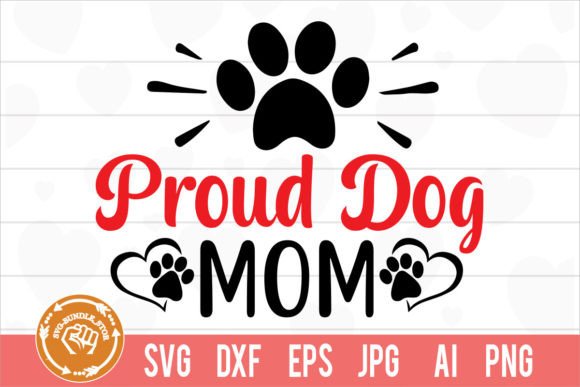
A Practical Review of the Dog Mom Embroidery Design
As a designer who regularly works with embroidery files for client projects and my own small business, I approach every new design with a practical eye. When considering the Dog Mom SVG, PNG, DXF, JPG, EPS bundle, my first question isn't about the aesthetics—which are charming—but about how it will translate into a real, stitched product. Will it hold up on a sweatshirt? Will the sentiment resonate with customers? Let's walk through the considerations from the perspective of someone who plans to actually stitch this onto something.
The Immediate Visual Impression & Potential Applications
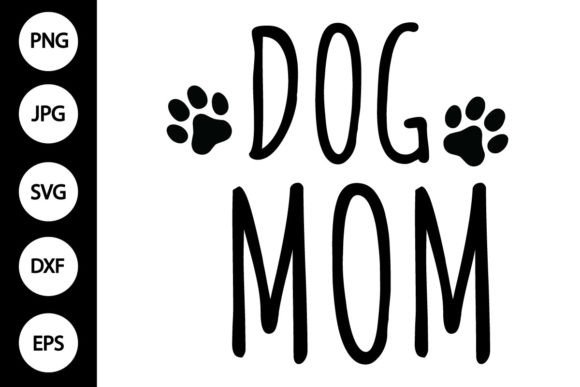
The first thing you notice with a design like this is its mood. It's friendly, heartfelt, and carries a specific, recognizable personality. For craft business owners, that's gold. This isn't a generic graphic; it speaks directly to a community—dog lovers, and specifically, the "dog moms" who pour their love into their pets. The layout and detail level suggest it's meant to be a central, statement piece rather than a tiny accent. This tells me it naturally belongs on items where the message is the star: a custom apparel like a cozy sweatshirt, the front of a canvas tote bag, or as a featured decoration on a baby item for a dog-loving family, like a nursery pillow cover.
Thinking of a real-life scenario, imagine you're preparing a custom order for a client who wants a personalized gift for her sister, a proud dog mom. You're embroidering it on a high-quality organic cotton tote. The design's theme creates an instant emotional connection. The visual personality is warm and slightly playful, making it perfect for a gift that feels both thoughtful and fun. It would also integrate beautifully into a line of small shop merchandise for a boutique focusing on pet lovers, adding a consistent, branded touch to aprons, tea towels, or blankets.
Performance in Real-World Embroidery Projects
Moving beyond the initial charm, how does this embroidery file perform when you load it into your machine? The inclusion of multiple formats, like SVG and DXF, is a strong starting point for adaptability. For machine embroidery design, you'll typically work from a specific file type, but having source vector files means you can confidently resize it for different projects without losing quality.
On a standard sweatshirt embroidery project, a design with clear, moderate detail like this should stitch out cleanly. The likely use of satin stitch for the lettering and fill stitch for any decorative elements needs to be balanced. A key consideration is stitch density. On thicker fabrics like sweatshirts or bag canvas, a denser fill is fine. However, on a baby embroidery project using softer, thinner cotton, you'd want to ensure the design isn't so dense that it makes the fabric stiff or puckered. Always test the design on scrap fabric first, using the same material and stabilizer you plan for the final product.
For embroidered patches, this design could be a winner. Its thematic clarity makes it a recognizable, wearable badge of honor. On caps or hats, which have curved surfaces, the design's proportions need to be checked. You might need to adjust the size to fit the curved area without distorting the crucial elements. This is where the resizable vector files prove their practical value.
Where This Design Requires Extra Attention
No design is perfect for every single application, and a professional review must highlight where careful planning is needed. For the Dog Mom design, pay close attention to small hoop sizes. If you try to shrink it down too much for a tiny corner of a kitchen towel, the details, especially any small lettering, might lose clarity and become a messy blob of thread. Textured fabrics like linen can also pose a challenge, as the texture can interfere with clean edges.
Dark fabric backgrounds are a classic test. You must review thread color contrast meticulously. Does the design rely on light-colored details that would vanish on a black sweatshirt? A good practice is to test it in black and white mockups or digitally preview it on dark and light backgrounds before committing thread. Similarly, on stretchy fabric like t-shirts, using the correct stabilizer is non-negotiable to prevent distortion during wear and washing.
If you're creating products meant for frequent washing, like baby clothes or everyday aprons, inspect the design's small details and corners. Areas with very tight, dense stitching might be more prone to wear or snagging over time. Simplifying or slightly adjusting the stitch settings for durability might be necessary for those applications.
The Impact on Your Business & Customer Perception
Using a well-executed design like this affects more than just the stitch quality; it impacts your product's entire perception. The visual appeal and stitching clarity directly contribute to product value. A clean, professional embroidery job using a relatable design builds customer trust and enhances the handmade presentation. It tells your buyer that you care about quality.
For Etsy sellers and digital product sellers, this design can be a versatile design asset. It can be used in printable mockups to showcase your embroidery skills, or as part of a broader commercial embroidery portfolio. Its strong theme aids in brand consistency if you specialize in pet-related products. Furthermore, its inherent giftability and recognition mean it can drive higher buyer engagement in your shop listings or at craft fairs.
Essential Designer Notes Before You Stitch
Before you run this file on your machine for a client order or your next batch of holiday embroidery gifts, here are my hard-earned, practical notes.
- Always test on scrap fabric. Match the final fabric type, weight, and stabilizer.
- Check thread color contrast against your intended fabric background—light, dark, or patterned.
- Review stitch density in your embroidery software. Adjust if needed for thin or stretchy materials.
- Confirm hoop size compatibility. Ensure your chosen physical size works with your machine's hoop and the design's detail level.
- Inspect small details like lettering corners or fine decorative lines. They may need slight adjustment for perfect stitching.
- Use proper stabilizer. This is the unsung hero of every professional-looking finished product.
- Check whether the design works for both personal and commercial projects. The product listing states it's a digital file for crafting, but the specific license terms are not detailed here. It is crucial to confirm licensing before selling finished items or digital products. Always verify the creator's terms of use.
Finally, remember that the true test of any embroidery project is in its final, worn, gifted, or sold form. The Dog Mom SVG, PNG, DXF, JPG, EPS bundle offers a strong, emotionally resonant starting point. By applying these practical steps, you can transform that digital graphics file into a beautiful, durable, and deeply appreciated handmade product that reflects the care you put into your crafts.