A Coffee & Mom Embroidery Design in Practice
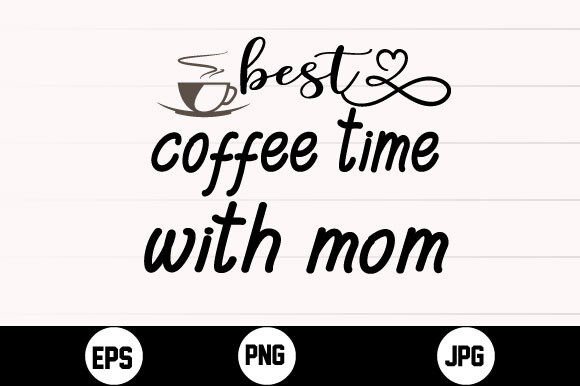
Let's talk about this Best Coffee Time with Mom Svg T Shirt design as if we're about to load it into our machine and stitch it out for a real project. As someone who reviews and uses countless embroidery files for client work and my own small shop, the first thing I look for is whether a design has that practical, stitchable soul beyond just a cute graphic. This one, with its warm coffee-and-mom theme, immediately feels like it belongs in the world of handmade, personalized gifts.
The Mood and First Impressions for Stitching
The design creates a nostalgic, cozy mood. It’s not overly sentimental; it’s more of a gentle, everyday celebration. The layout and shapes feel balanced—not too sparse, not overwhelmingly dense. This is crucial for embroidery, where overly intricate details can become a muddy mess of stitches, and overly simple designs can look underwhelming on a finished product. This sits in a nice middle zone, suggesting it will translate well into satin and fill stitches without losing its character. Its visual personality is friendly and approachable, making it a natural fit for a gift item or casual apparel rather than a formal, corporate piece.
Where This Design Shines in Real Projects
Thinking about my last few client orders, this design would have been perfect for a custom embroidered apron for a mother's day gift, or a cozy patch stitched onto a tote bag for a boutique. The 4500 by 5400 pixel artboard size hints at a good scale for versatility. It naturally belongs on items that carry that personal, heartfelt touch.
On a heavyweight sweatshirt or a canvas tote bag, the design would have ample space to breathe, and the stitch density could be managed well to create a clean, premium look. For a baby item, like a little blanket or a knit hat, simplifying the color palette to softer tones would make it a beautiful nursery decor piece. As a patch, it could be finished and applied to a pillow cover or a kitchen towel, turning a simple household item into a meaningful gift. For an Etsy seller or craft fair vendor, this design on a well-made product instantly adds that "giftability" factor—customers recognize the sentiment and are drawn to it.
Careful Application: The Designer's Considerations
Now, the practical realities. The fact that it's described as a 100 vector-based file and colors can be changed is a huge advantage for embroidery. It means we can adapt thread colors for fabric contrast. However, this doesn’t automatically mean it’s foolproof for all scenarios.
On small hoop sizes, some of the finer elements might need to be simplified or the entire design scaled down carefully—test on scrap first. On textured fabrics like some knits, or stretchy fabrics, the clarity of the lettering and shapes will depend heavily on using the correct stabilizer. Embroidering on dark fabric requires a thoughtful thread color choice to maintain that warm, light mood the design evokes; a white or cream base might get lost. On curved surfaces like caps, the layout's balance needs to be checked in your software to ensure it doesn't distort.
Areas with potential dense stitching, if the file conversion creates heavy fill regions, could make a t-shirt feel stiff. And for products destined for frequent washing, like a beloved sweatshirt, a clean stitch execution with secure trims is essential for longevity.
How This Design Translates to Customer Trust & Value
From a business perspective, using a design like this well-executed elevates the perceived value of your handmade product. Stitching clarity directly impacts customer trust—a clean, professional embroidered outcome makes them confident in your craft. It supports brand consistency if your shop focuses on heartfelt, family-oriented items. For the buyer, it feels personal and recognizably "made," not generic. That engagement is what turns a simple purchase into a repeat customer.
Practical Notes Before You Hoop the Fabric
Here’s my mental checklist before I'd use Best Coffee Time with Mom Svg Tshirt for a commercial embroidery project or a personal gift.
- Always test the design on a scrap piece of your intended fabric first. This reveals the true stitch density and how small details behave.
- Review the color change capability in your embroidery software. Plan your thread palette for both light and dark fabric backgrounds; contrast is key.
- Confirm the hoop size needed for your desired product size. The large artboard suggests scalability, but you need to match it to your machine's capabilities.
- Inspect the small details in the vector file before converting. Ensure any tiny lettering or decorative accents will be clear when stitched.
- Since mockups are not included, creating your own printable mockup or stitching a sample is vital for digital product sellers to showcase the finished look.
- Use proper stabilizer for the fabric type—this is non-negotiable for preserving the design's integrity.
- Most importantly, check the licensing terms yourself before selling finished items or digital products. The description mentions suitability for POD sites, but clarify the specifics for your craft business use.
In essence, this design feels like a reliable, adaptable asset. It’s not just a graphic; it’s a blueprint for creating something warm and tangible with your embroidery machine. When stitched onto the right product with care, it tells a story—one that resonates with makers, givers, and receivers alike. That’s the real test of a design’s worth.